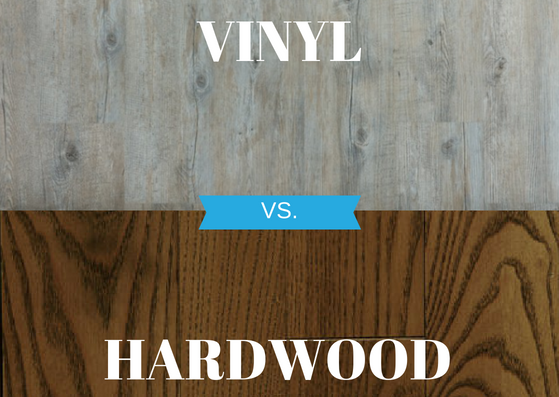
Choosing between vinyl and hardwood flooring is one of the most common decisions homeowners face. Both options offer durability and style, but they perform very differently depending on your space, budget, and long-term goals.
If you’re trying to decide which is right for your home, here’s how they compare.
Understanding the Difference
Vinyl flooring, especially luxury vinyl plank (LVP), is a synthetic product designed to replicate the look of real wood. It’s built for durability and moisture resistance, which makes it a popular choice in high-traffic or spill-prone areas.
Hardwood flooring is made from real wood and is valued for its natural beauty, character, and long-term performance. It’s often considered a premium upgrade in any home.
Vinyl vs. Hardwood Flooring At A Glance |
||
| Feature | Vinyl Flooring | Hardwood Flooring |
|---|---|---|
| Installation Cost | $2-$5 per sq. foot | $6-$12 per sq. foot |
| Materials Cost | $2-$7 per sq. foot | $8-$22 per sq. foot |
| Appearance and Customization | Only available in the manufacturer’s colors. No customization. | Highly customizable with wood species and various stains/finishes. |
| Longevity | 10-20 years | 30+ years with care |
| Durability | Less durable, needs to be replaced when damaged. | Highly durable |
| Resistance to Moisture | Highly resistant to moisture. | Susceptible to moisture damage in very humid/wet areas. |
| Home Resale Value | Adds little value. | Adds 3%-5% to home value. |
| Environmental Impact | Not environmentally friendly. Made from PVC resin and cannot be repurposed. | More environmentally friendly, and can be reclaimed/repurposed. |
Comparing the Costs: Vinyl vs. Hardwood Flooring
Cost is often the biggest deciding factor, and the gap between these two options is significant (see table above).
For larger projects, that difference adds up quickly. Vinyl is clearly the more budget-friendly option upfront, while hardwood is more of a long-term investment.
Material Cost
One of the most common reasons that people choose vinyl floors over hardwood floors is that they are much cheaper than hardwood floors while emulating the appearance of wood.
Whereas high-quality wide plank flooring typically starts at $5 per square foot and can go for $20 per square foot or more, depending on the options you select, you can find vinyl flooring for as little as $2 per square foot, depending on the quality of material you are looking for.
Installation Cost
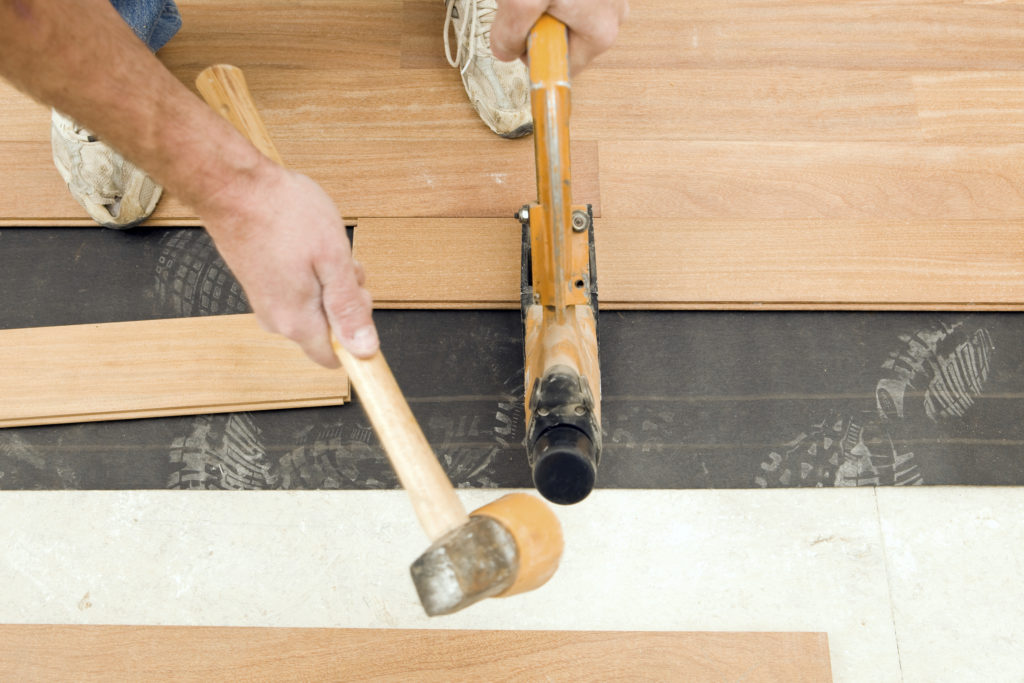
When choosing wide plank floors, the cost of materials is just one factor to consider–you also have to think about installation costs. The cost of installing hardwood floors depends on your area and the type of flooring that you choose, but you can usually expect it to be at least an additional $6 per square foot.
If you choose to have a professional install your vinyl floors, the labor cost will be much cheaper than hiring a professional to install real hardwood floors. This is because the installation process for vinyl floors is much simpler than installing hardwood floors.
Comparing Lifestyles:
Vinyl vs. Hardwood Flooring
Durability and Lifespan
Both materials are durable, but in different ways.
Vinyl is designed to handle everyday wear. It resists scratches, moisture, and heavy traffic, making it ideal for busy households, kids, and pets. Most vinyl floors last around 10–20 years.
Hardwood is more sensitive to water and wear, but it makes up for it with longevity. With proper care, hardwood can last for decades and even be refinished multiple times rather than being replaced.
In short:
- Vinyl wins for low-maintenance durability
- Hardwood wins for long-term lifespan
Maintenance and Everyday Use
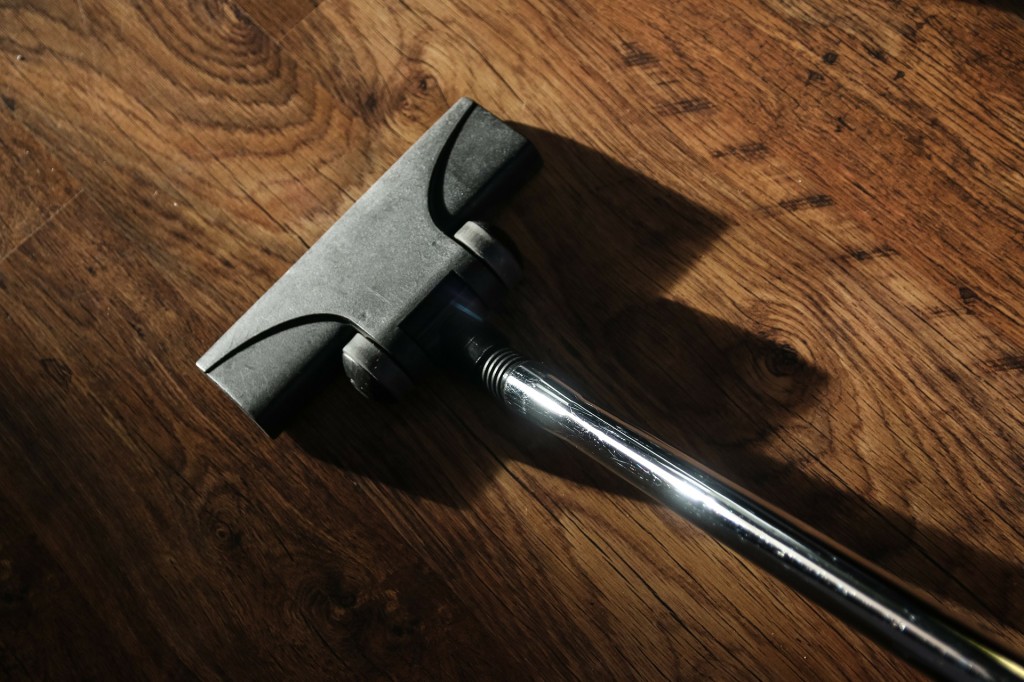
Vinyl is about as easy as it gets. Regular sweeping and occasional mopping will keep it looking good with very little effort.
Hardwood requires a bit more care. You’ll want to avoid excess moisture, use proper cleaning products, and plan for refinishing over time. It’s not difficult, but it’s not completely hands-off either.
Appearance and Overall Feel
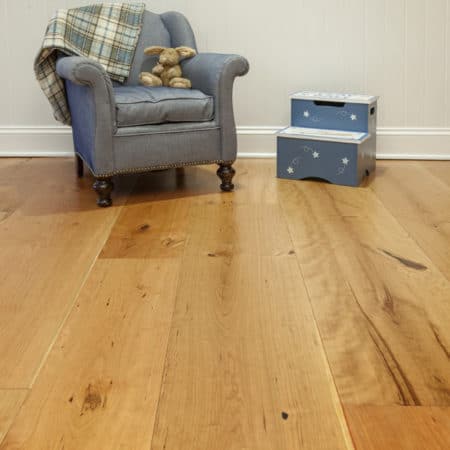
This is where the biggest difference shows up.
Vinyl has improved dramatically and can closely mimic the look of wood, especially from a distance. But it’s still a manufactured material.
Hardwood offers a level of authenticity that can’t be replicated. Natural grain variation, texture, and depth give it a richer, more timeless appearance—especially in wider plank formats.
Home Resale Value
Hardwood flooring is widely considered a premium feature and can have a measurable impact on home value. Studies and real estate data consistently show that homes with hardwood floors, specifically wide plank hardwood floors, tend to sell faster and for more money than comparable homes without them. In some cases, buyers are willing to pay 3-5% more for a home with hardwood, and in stronger markets, that increase can reach as high as 10%.
Beyond price, hardwood also delivers a strong return on investment. Reports from the National Association of REALTORS® show that homeowners can recoup over 100% of the cost of new hardwood flooring at resale, making it one of the most valuable interior upgrades you can make.
Vinyl flooring, while attractive and increasingly realistic, is typically viewed differently. It performs well in terms of durability and practicality, but it doesn’t carry the same perception of long-term value. Most buyers see vinyl as a functional upgrade rather than a premium feature, which means it may help a home show better, but it usually doesn’t command the same price premium or return on investment as real wood.
In short, both options can improve a home’s appeal, but hardwood stands out as the stronger investment when resale value is a priority.
Which One Should You Choose?
The right choice comes down to how you plan to use the space.
Vinyl may be the better fit if you:
- Need a more budget-friendly option
- Want something waterproof or highly moisture-resistant
- Prefer minimal maintenance
- Are updating kitchens, bathrooms, or basements
Hardwood may be the better fit if you:
- Want a long-term investment
- Care about natural materials and timeless design
- Are upgrading main living spaces
- Value resale impact
Flooring That Doesn’t Disappoint
Both vinyl and hardwood flooring have their place, and many homeowners choose to use a combination of both throughout their home.
If you’re unsure which direction to go, the best decision often comes down to balancing how the space is used with what you want long-term out of your floors. If you’ve determined that hardwood is the right choice for you, click here to browse our selection of custom wide plank floors.