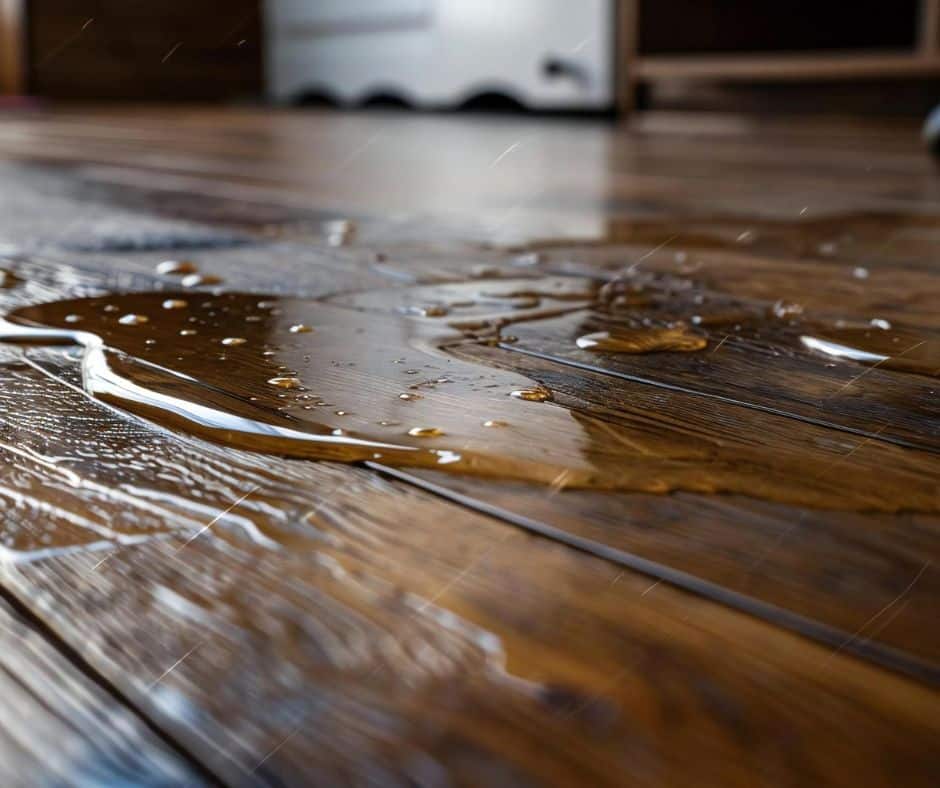
Water and wood don’t mix well, but that doesn’t necessarily mean your floors are ruined the moment a spill happens. While prolonged exposure can lead to warping, cupping, staining, or even permanent structural damage, quick action can often minimize the impact.
In this blog, we’ll break down how water affects hardwood floors, what to do if moisture hits your floors, and how to prevent future issues.
How Water Damages Wood Floors
Not all water exposure is the same. The severity of the damage depends on how long the water sat, the amount of moisture involved, and the type of wood flooring.
Short-term exposure, like spills, damp shoes, and small accidents, can lead to:
- Minor surface dullness
- Temporary swelling
- Light discoloration on the finish
- Slight movement in individual boards
Most of these issues are reversible if you dry the floor quickly. Hardwood finishes offer a protective barrier, so fast cleanup is usually enough.
Long-Term Exposure (Leaks, Standing Water, High Humidity)
When water sits for hours, or worse, days, it penetrates beyond the finish and into the wood itself. This can lead to more serious problems, including:
- Cupping: edges of boards curl upward
- Crowning: the center of the board rises
- Warping or buckling: severe structural distortion
- Staining or black spots: from mold or tannin reactions
- Subfloor damage: moisture seeps below the hardwood
- Mold or mildew growth
These issues often require professional repairs or refinishing, and in some cases, full board replacement.
What to Do If You Get Water on Your Wood Floors
Acting quickly makes all the difference. Here’s what we recommend:
1. Clean Up Water Immediately
Use towels or a dry mop to soak up as much moisture as possible.
2. Check for Hidden Water
Water can slip between boards or underneath baseboards. Use a fan to direct air into gaps and edges.
3. Dry the Area Thoroughly
Airflow is key. Use:
- Fans
- Dehumidifiers
- Open windows (if humidity is low)
Drying can take 12–24 hours or longer, depending on moisture levels.
4. Look for Signs of Damage Over the Next 24–48 Hours
Keep an eye out for:
- Raised edges
- Dark stains
- Changes in board shape
- Musty odors
These can indicate trapped moisture.
5. Call a Professional If Signs of Damage Appear
If you’re unsure whether your floors are drying properly, a pro’s moisture meter reading can give you peace of mind. If structural damage appears, refinishing or board replacement may be required.
Preventing Water Damage to Wood Floors
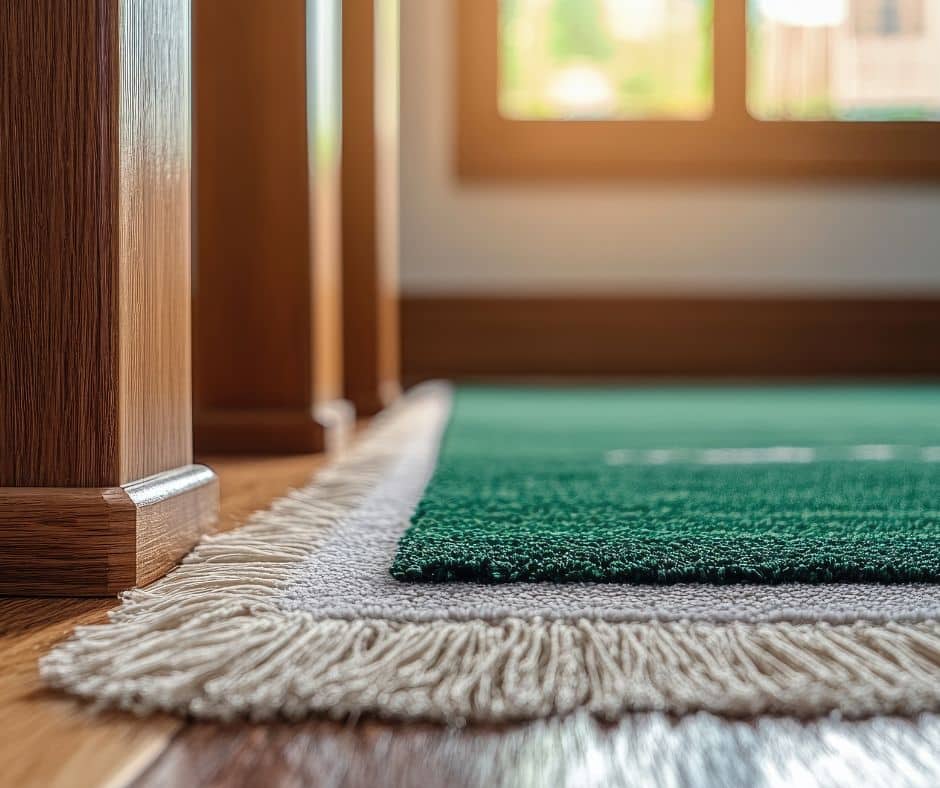
Great floors last longer when moisture is managed proactively. Here’s how to protect your investment:
- Use Mats in High-Risk Areas. Entryways, kitchens, and pet zones are common trouble spots.
- Clean Up Spills Immediately. Don’t let liquids sit—even a few minutes can start the absorption process.
- Maintain Proper Humidity Levels. Wood performs best between 35–55% humidity.
- Monitor Appliances and Plumbing. A leaking fridge or sink can cause hidden damage fast.
- Use Protective Pads Under Planters. Plants are a sneaky culprit when overwatering occurs.
- Choose the Right Finish. A strong finish can provide added protection against accidental spills.
Final Thoughts
Water can damage hardwood floors, even wide plank flooring (which can be highly water resistant), can be at risk. Quick action and the right prevention strategies can save you stress and costs down the line. Whether you’re dealing with a spill, a leak, or humidity problems, knowing how to respond makes all the difference.
Need to replace flooring from a leak or spill? Or, need to assess if a plank or two really need to be replaced? Contact Wide Plank Floor Supply today.